


Wondering why your acne worse after starting salicylic acid? It could be purging — not a breakout. Learn the difference, how long it lasts, and what to do.
Table of Contents
Why is my acne worse after starting salicylic acid
If you notice that your skin becomes bumpy or small papule like structures, it actually may not be acne breakouts. It feels like acne, but it actually isn’t.
It may be purging, meaning that your skin’s hidden culprits are getting out fast. In more specific terms that clogged pores deep into the skin are coming out sooner than usual. Or some other reasons can be there for acne getting worse after salicylic acid is incorrect usage. You may be using high concentrations or applying multiple times in a day.
And acne breakouts after salicylic acid can be because of your already damaged skin barrier.
What is salicylic acid and how does it work?
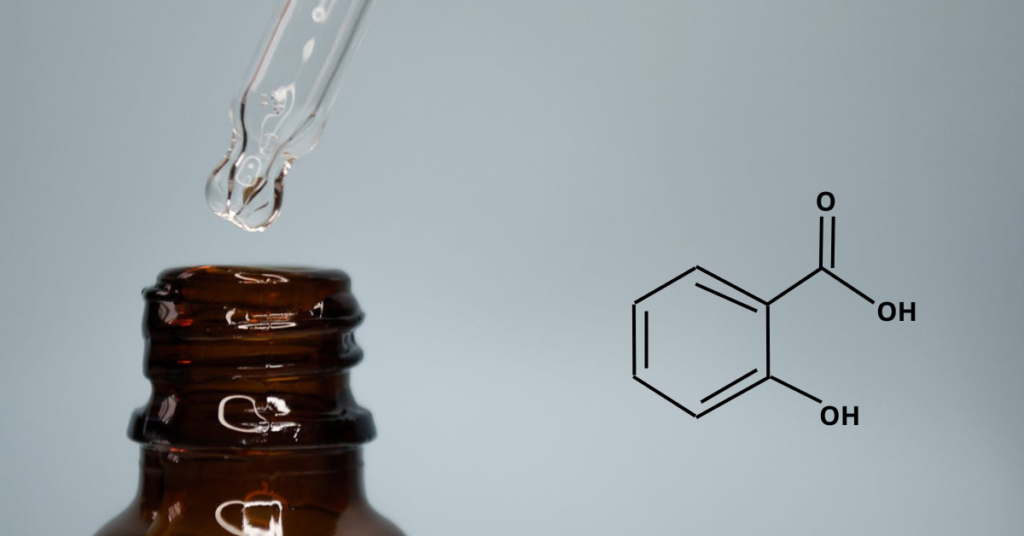
Salicylic acid is a BHA (Beta hydroxy acid), a chemical compound having a hydroxy group on the benzoic acid and it is also a derivative of aspirin. (Do you get deja vu of your chemistry class?). It is extracted from plants like wintergreen leaves or willow bark.
- It inhibits the growth of acne-causing bacteria. (Cutibacterium acnes)
- It clears pores, reduces excess oil.
- It is antifungal, exfoliates the skin by penetrating deeper into the pores and increases the cell turnover.
How does Salicylic acid actually unclog pores?

First, what clogs pores? It is sebum (oil) and the dead skin cells.
It clears pores because of its two properties:
- It dissolves oil because they have similar structures.
- And salicylic acid is a keratolytic agent in simple terms it breakdowns the dead skin cells by breaking down the desmosomes (a type of bond between them).
What does speeding up skin cell turnover do for acne?
And one of the most important function of salicylic acid that we are going to discuss here a lot is – it increases the cell turn over. What does that mean?
Our skin sheds the dead skin cells every 28-30 days but acne slows down this process and our hero ingredient, salicylic acid accelerates this process by increasing the cellular activity, forming new cells underneath and shedding the upper layers faster which hidden clogged pores to the surface faster and clears them out.
Can salicylic acid make acne worse at first?
Well, Yes but temporarily.
Like in a game, you impulsively bring out the terrorists through a bait so that you can kill all of them together and faster.
Salicylic acid also works like this, it draws out all the culprits that can cause acne in the future and at this stage it appears as if your acne has increased but in reality your salicylic acid is planning to destroy all of them, works deep into the skin. In that game the process happens fast but in your skin, it takes time up to 4-6 weeks to clear all of them. So its temporary. And more detail is explained below under the purging vs breakout section.
Salicylic acid: purging vs breakout – how to tell the difference
What is skin purging?
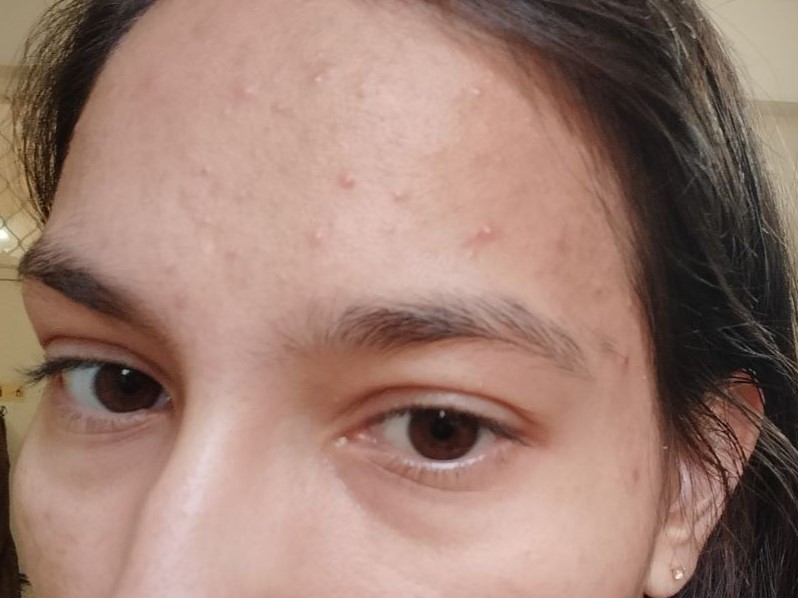
Any ingredient like salicylic acid, retinoids that increases the cell turnover, increases the rate at which new layer gets formed beneath and upper layer removal. They increases this cycle rate. So the clogged pores, dead skin cells present in the lower layers shifts upwards and suddenly your skin becomes bumpy, increase in whiteheads, blackheads, papules, pustules or sometimes cysts in the usual breakout area.
The good news is it heals itself and lasts for not more than 4-6 weeks. And you will gradually notice them healing on their own.
What is a breakout reaction?

Breakouts are red painful pimples filled with pus, cysts or nodules occuring all over the face, back or your buttocks. It can occur over new places where there were no acne before.
It can happen any time not specifically because of starting a new product like salicylic acid. Your skin becomes irritated, sensitivity increases and red. It takes a lot more than 4-6 weeks to heal and it doesn’t easily reduce.
How to identify if it’s purging or breakout reaction?
Here are some clear differentiated points:
| Purging | Breakout Reaction |
| These are mainly clogged pores, papules or small pustules but not painful. | These consists of red painful pimples having pus and nodules or cysts. |
| It gradually decreases. | It does not gradually decrease, depends on many other factors |
| It heals itself | It needs treatment. |
| It heals in 4-6 weeks. | It depends on the severity of the reaction and takes longer to heal maybe months. |
| It occurs after starting using any new product like salicylic acid, retinoids. | It can occur any time like during periods, diet changes, hormonal imbalance etc. |
| It usually occurs in the usual breakout regions of your face. | It can occur anywhere, also on newer regions of your face or other acne prone region of your body. |
How long does salicylic acid purging last?
It takes usually 4-6 weeks to completely heal and it also depends on an individual’s skin type, in some cases it can heal in 2 weeks while in others it may take up to 6-7 weeks so it depends but it will heal without causing you much harm if it’s true purging.
True purging only happens when your skin is adjusting to increase cell turnover. So you need to have some patience.
What are the signs that salicylic acid is not working for you?
- Severe redness or burning of skin
- Painful pus filled pimples, cystic acne or nodules in new areas
- Taking longer to heal (>6 weeks)
- Showing signs of skin barrier damage like whenever you apply any product, it is burning, new breakouts, increased sensitivity.
- Skin becomes dry, flaky
What mistakes are making your acne worse with salicylic acid?
- Using too high concentration: Starting with high concentrations (2% or above) can suddenly make your skin dry, irritated and your skin won’t be able to adjust suddenly so start with lower concentrations and then gradually increase.
- Over exfoliation: This is a serious culprit. Salicylic acid is itself increasing cell turnover and on top of that you’re also removing dead cells much faster then. of course your skin will take revenge.
- Not using moisturizer: This is a bigger culprit. Moisturization is very important because your salicylic acid makes your skin dry due to increase turnover and oil reduction so moisturize it, otherwise your skin will produce more oil to compensate it and your acne will get worse.
- Skipping sunscreen: Salicylic acid makes your skin much more prone to harmful rays than before so this is a necessity.
How to reduce purging and irritation
Step1: Start slow: As you know ‘slow and steady wins the race’ here’s also the same. Start incorporating salicylic acid into your skincare routine slowly. First start with 2-3 times a week then increase it gradually.
Step2: Use a gentle cleanser: Use a low pH, low concentration (0.5%) and containing a humectant or soothing agent like hyaluronic acid or niacinamide cleanser.
Step3: Support your skin barrier: Moisturize your skin well with rich in ceramides cream and don’t forget to use sunscreen.
Step4: Avoid mixing too many actives: Already you’re having acne or purging and in addition to it if you will use actives like retinoids (will further increase cell turnover) or benzoyl peroxide (make your skin more dry, irritated and inflamed) then your skin may breakout more. So be careful with those ingredients.
How long does it take for salicylic acid to work?
This is the part about which you all are the most curious about. So I will break it down week by week if you’re having true purging:
Week 1: mild increase in whiteheads, blackheads or papule or pustule
Week 2-3: this time is the peak of purging, your skin may get dry so hydrate it well.
Week 4-6: your skin start to improve, acne settles down, texture improves and you starts to see results. Yeah, you’ve made it.
Again, this is not an ideal timeline, it won’t be same for everyone as we’ve discussed already but you’ll see results. So be patient and consistent.
FAQs
Can you use Salicylic acid everyday?
The short answer is yes. To be honest, I use it everyday myself. But don’t jump directly into daily use, start slowly (2-3 times a week) and with low concentrations (0.5%), after that as the skin tolerance increases you can increase its frequency. Always moisturize well after use.
Can I use Salicylic acid in pregnancy?
According to NIH, topical salicylic acid get minimally absorbed into our blood so, topical use of low concentration of salicylic acid over smaller areas is generally safe. Consult your Obstetrician before taking it orally or high concentrations.
Can too much salicylic acid damage skin?
Absolutely Yes. Salicylic acid act by increasing cell turnover which can lead to dryness, irritation and if you use it too much then it can lead to stripping of your natural skin barrier.
Should I stop using salicylic acid if my skin gets worse?
Not immediately, a temporary worsening during the first 2–4 weeks is often normal purging. However, stop if you experience burning, severe redness, cystic acne in new areas, or worsening beyond 6–7 weeks.
Why does salicylic acid dry out my skin?
Because salicylic acid is an exfoliant that removes oil and dead skin cells, which can strip the skin’s natural moisture so, always follow with a good moisturizer containing ceramides or hyaluronic acid.
Bottom Line
Look, I know it feels frustrating when you start using salicylic acid hoping for clearer skin and end up looking in the mirror thinking things just got worse. But here’s the truth — your skin is not betraying you. It’s doing exactly what it’s supposed to do.
If what you’re experiencing is true purging, your salicylic acid is simply fast-forwarding the cleanup process. All those hidden, future pimples are coming out now so they don’t haunt you later. Yes, it’s uncomfortable but weeks 5 and 6 will thank you for not giving up.
The key is being smart about it — start slow, moisturize like it’s your job, never skip sunscreen, and avoid the temptation to throw every active ingredient at your skin at once.
And if something feels truly off — severe burning, new cystic breakouts, worsening past 6–7 weeks then, don’t push through it and consult your dermatologist.
Stick with it, be consistent, and your skin will get there. I’m rooting for you!!
References
- PubChem. Compound salicylic acid. Available at: https://pubchem.ncbi.nlm.nih.gov/compound/Salicylic-Acid
- NIH. Salicylic acid as a peeling agent. Available at: https://pmc.ncbi.nlm.nih.gov/articles/PMC4554394/
- NIH. Safety of skincare products during pregnancy. Available at: https://pmc.ncbi.nlm.nih.gov/articles/PMC3114665/
- American Academy of dermatology. Is any acne treatment safe to use during pregnancy. Available at: https://www.aad.org/public/diseases/acne/derm-treat/pregnancy