

Confused between benzoyl peroxide vs salicylic acid? Discover which ingredient works best for oily skin, blackheads, pimples, and inflamed acne plus how to use them safely.
Table of Contents
Quick Answer — Benzoyl Peroxide vs Salicylic acid (Who Should Use What?)
| If you have… | Better Choice |
|---|---|
| Red, painful pimples | Benzoyl Peroxide |
| Blackheads & whiteheads | Salicylic Acid |
| Oily clogged pores | Salicylic Acid |
| Bacterial/inflammatory acne (pustules & nodules/cysts) | Benzoyl Peroxide |
| Very sensitive skin | Low % Salicylic Acid |
What Is Benzoyl Peroxide?
Benzoyl peroxide is a topical antibacterial agent used to kill acne-causing bacteria (Cutibacterium acnes or C. acnes). It is available over the counter (as a non-prescription medication) and comes in various forms such as cleansers, gels, creams, and spot treatments.
How Does Benzoyl Peroxide Work on Acne?
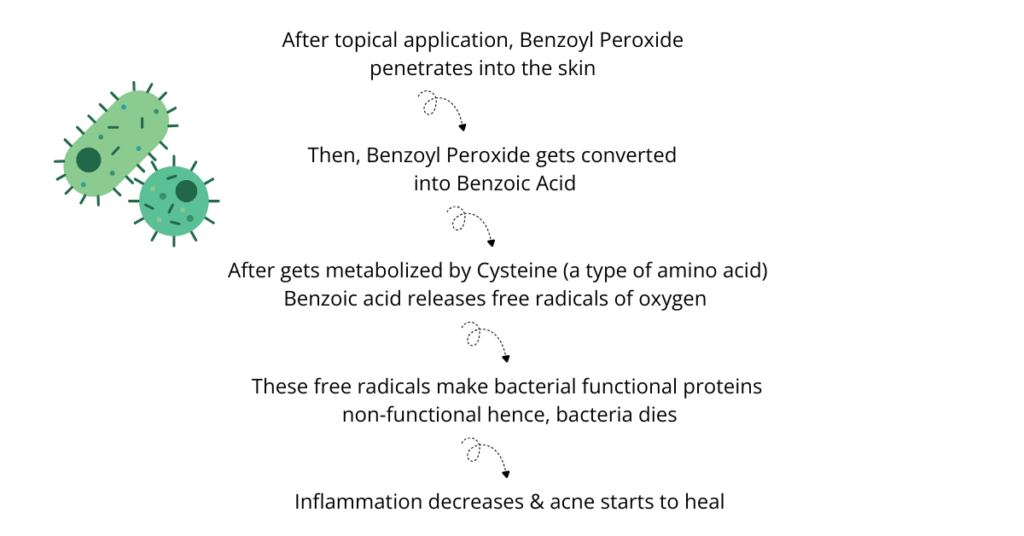
I know there are a lot of scientific terms but this way you will understand the depth and can easily choose which works best for your skin. Science is the answer of everything you know.
Best for Which Type of Acne?
Acne has different stages:
Comedones → Papules → Pustules → Nodules/Cysts
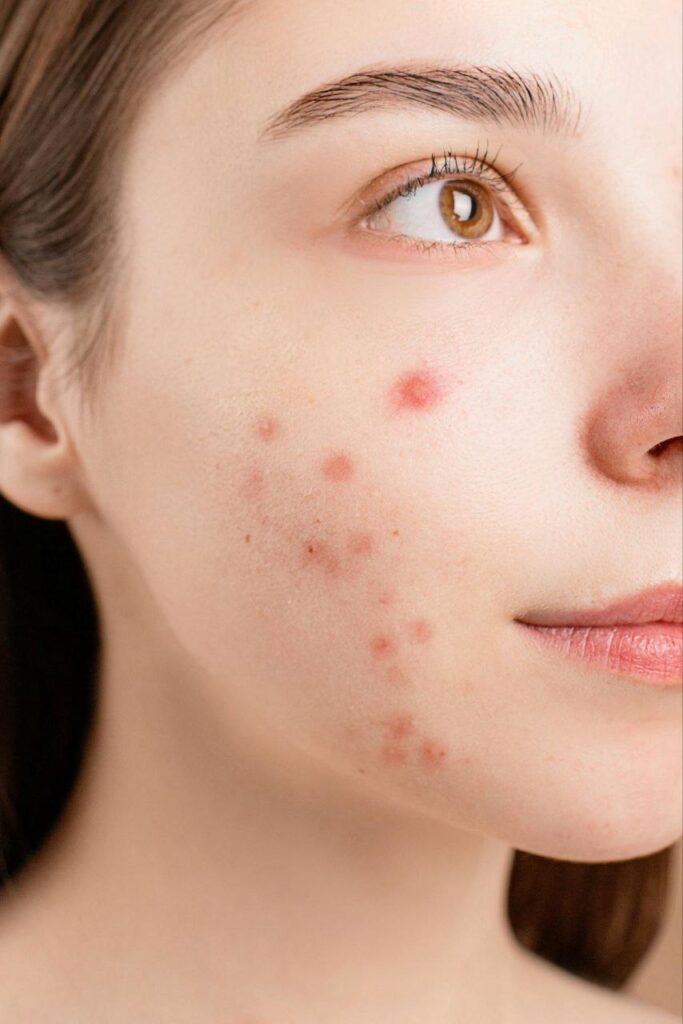
Benzoyl peroxide works best for:
- Pustular acne (pus-filled pimples)
- Moderate inflammatory acne
- Sometimes nodular or cystic acne (under medical guidance)
It is most effective where bacterial growth and inflammation are high.
Pros of Benzoyl Peroxide
- Kills acne-causing bacteria
- Reduces inflammation
- Helps prevent future breakouts
- Available in many forms (cleansers, gels, creams, spot treatments) so you can use benzoyl peroxide in any of the above steps of your routine which suits you best.
Available Strengths
2.5%, 5%, and 10% available over the counter.
Higher strengths require a prescription.
Side Effects & Who Should Avoid It
- Dryness
- Irritation
- Peeling or scaling
So to avoid these side effects first start with a lower concentration to build tolerance. As tolerance increases you can further increase the strength. People with very sensitive or compromised skin barriers should use it cautiously.
What Is Salicylic Acid?
Salicylic acid is a BHA (beta hydroxy acid) that exfoliates the skin, removes dead skin cells, and clears excess oil from pores. It is available in cleansers, serums, toners, and spot treatments.
How Does Salicylic Acid Work on Acne?
Salicylic acid is a keratolytic or desmolytic agent means it removes dead skin cells by losening the bond between the cells and hence promotes exfoliation.
It is also lipid soluble and as we all know “like dissolves like” so, it dissolves the excess sebum and clears out pores.
So you can say that salicylic acid is more of a preventive agent (prevents the progression of acne into severe stages and it can be used in daily routines).
Best for Which Type of Acne?
- Blackheads and whiteheads (comedones)
- Mild inflammatory acne (papules)
- Oily, acne-prone skin
It works best in early or mild acne stages.
Pros of Salicylic Acid
- Ideal for oily skin
- Unclog pores
- works awesome for early stage acne like comedones.
- best for sensitive skin
- Helps prevent acne progression
- Suitable for long-term maintenance
Available Strengths
0.5%–2% available over the counter. Higher strengths need a prescription from your dermatologist.
Side Effects
- Mild irritation
- Stinging
- Dryness (rare at low strengths)
Benzoyl peroxide vs Salicylic acid: Key Differences
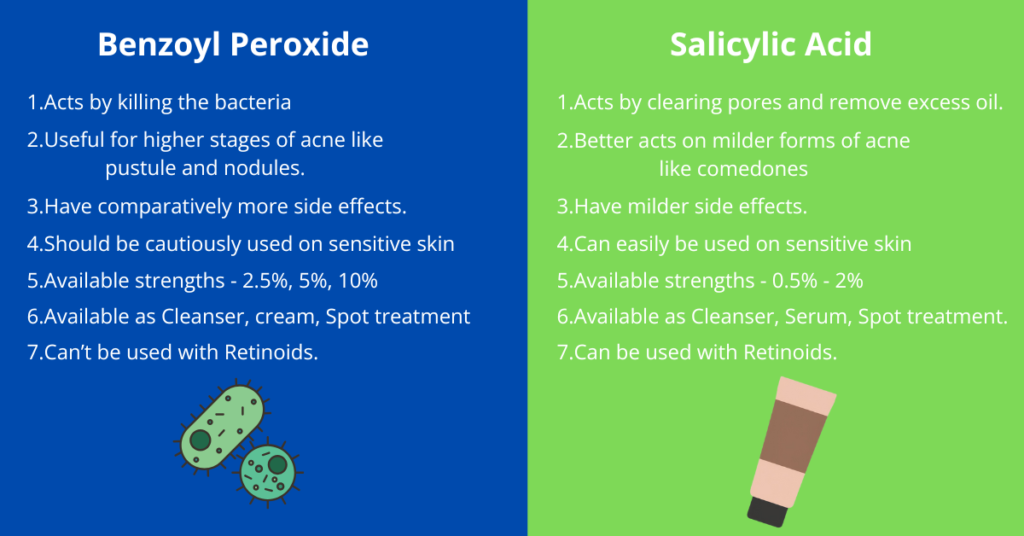
Which One Should You Choose?
| Situation | Better Choice |
|---|---|
| Oily, clogged pores | Salicylic acid because it will clear the excess sebum and dead skin cells. |
| Sensitive skin | Salicylic acid (lower strength) |
| Red, inflamed pimples with pus | Benzoyl peroxide |
| Severe inflammatory acne | Benzoyl peroxide (with dermatologist guidance) because it kills bacteria. |
Can You Use Both Together?
The answer is Yes, but carefully:
- Use at different times (salicylic acid in morning, benzoyl peroxide at night)
- Use on alternate days if irritation occurs
- Use salicylic acid all over the face and benzoyl peroxide as a spot treatment.
How to Use Without Damaging Your Skin Barrier
- Introduce slowly
- Start with lower strengths
- Always moisturize
- Use sunscreen daily
- Avoid over-exfoliation
Product types to look for:
- Cleanser
- Serum
- Spot treatment
- Toner
Common Mistakes
- Using both aggressively
- Starting with high strengths
- Skipping moisturizer
- Skipping sunscreen
- Expecting overnight results
How Long Do They Take to Work?
- Salicylic acid: 2–4 weeks
- Benzoyl Peroxide: 1-4 weeks
Final Verdict: Benzoyl Peroxide or Salicylic acid
There is no single “best” ingredient for everyone — the right choice depends on your acne type and skin needs.
If your main problem is oily skin, clogged pores, blackheads, or early-stage acne, salicylic acid is the better option. It works inside the pores, controls excess oil, and helps prevent acne from progressing into more severe stages.
If you struggle with red, inflamed pimples, pus-filled acne, or moderate inflammatory breakouts, benzoyl peroxide is more effective because it directly kills acne-causing bacteria and reduces inflammation.
For many people, the best results come from using both strategically — salicylic acid for overall oil control and pore care, and benzoyl peroxide as a targeted treatment for active pimples.
The key is not choosing the strongest product, but choosing the right ingredient for your acne stage and introducing it slowly to protect your skin barrier. Consistency, patience, moisturizer, and sunscreen will make a bigger difference than strength alone.
In short:
- Oily + clogged pores → Salicylic acid
- Inflamed, pus-filled acne → Benzoyl peroxide
- Mixed acne → Use both carefully
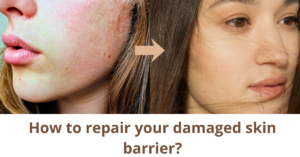
Pingback: How to repair a damaged skin barrier (The Ultimate Step-by-step Guide for acne prone skin) - Bloom
Pingback: Why is my Acne worse after starting salicylic acid? (Purging vs breakout explained) - Bloom