

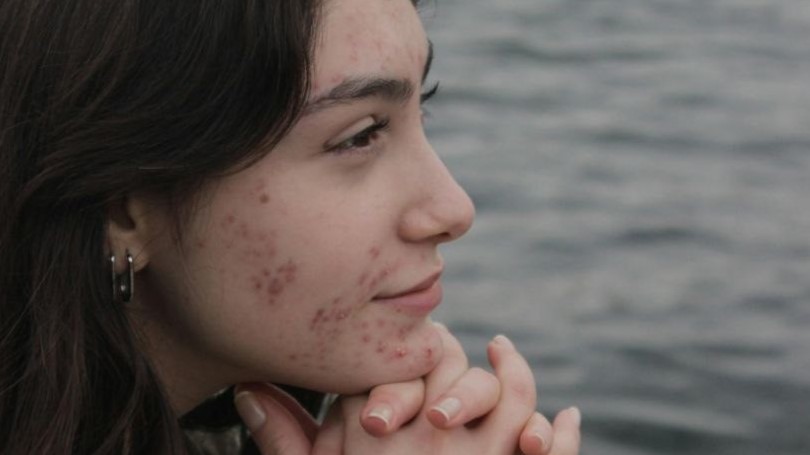
The science behind acne explains why this common skin condition affects both teenagers and adults. I’ve personally been struggling with acne for the past 6–7 years, and like many people, I desperately wanted to cure it completely and quickly. Over time, I realized that acne doesn’t disappear overnight—it requires patience, consistency, and the right understanding.
In this article, I’ll break down the causes of acne, the stages of its development, key risk factors, and common myths, so you can treat acne based on facts—not confusion.
Table of Contents
Do You Know the Science Behind Acne?
Acne is a chronic inflammatory skin disease which affects the pilosebaceous unit, it is nothing but:
- Hair follicle
- Oil (sebaceous) gland
How acne begins?
Most people try to treat acne without actually knowing the real science behind it. So, I will take you to it so that you can treat it better.
During adolescence (and sometimes adulthood, mainly occurs in the females during menopause or taking contraceptives), the body produces increased levels of androgen hormones and these hormones stimulate the oil glands to produce excess sebum (oil) and this is what happens next:
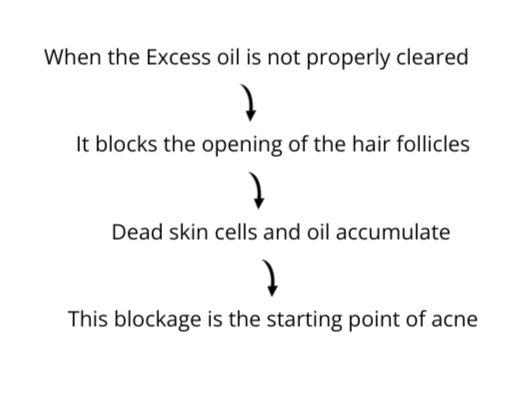
Stages of Acne Formation
Stage 1: Comedonal Acne
It is nothing but the whiteheads and blackheads in simple language.
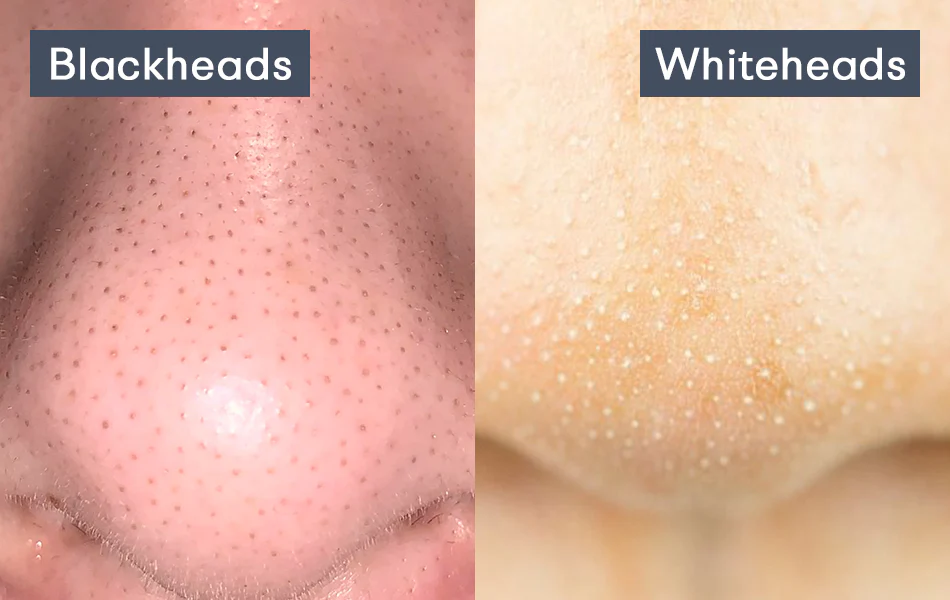
1. Whiteheads (Closed comedones)
When oil and keratin form a plug inside the hair follicle without exposure to air, it appears as a whitehead.
2. Blackheads (Open comedones)
When the same plug is exposed to air, it gets oxidized by oxygen and turns black — hence blackheads.
Stage 2: Papules
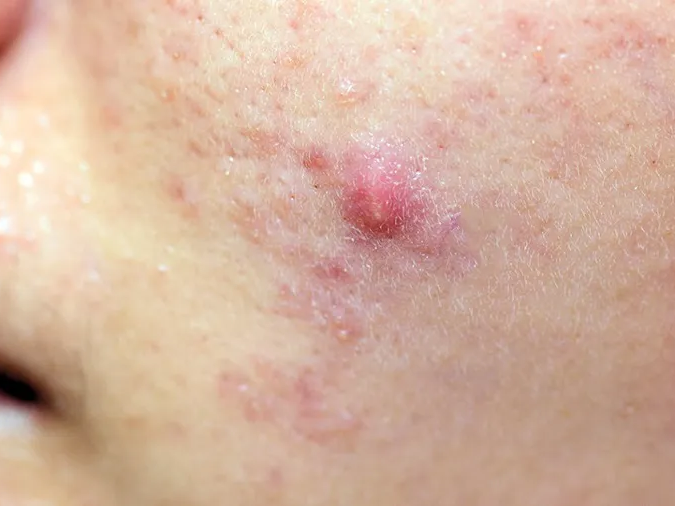
When pores remain blocked, oil glands become distended, inflammation begins and hence the signs of inflammation appears as small, red painful bumps known as papules.
Stage 3: Pustules
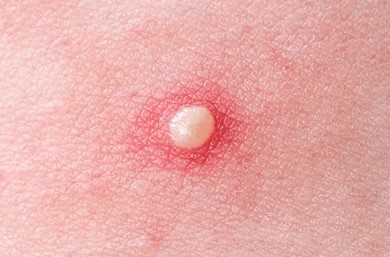
This blocked, inflamed follicle becomes an ideal environment for bacteria called Cutibacterium acnes because this bacteria does not require oxygen to breathe and this follicle is deprived of oxygen. (Oh! Well, I would’ve died)
As bacteria multiply, pus forms, leading to pustules.
Stage 4: Nodules and Cysts
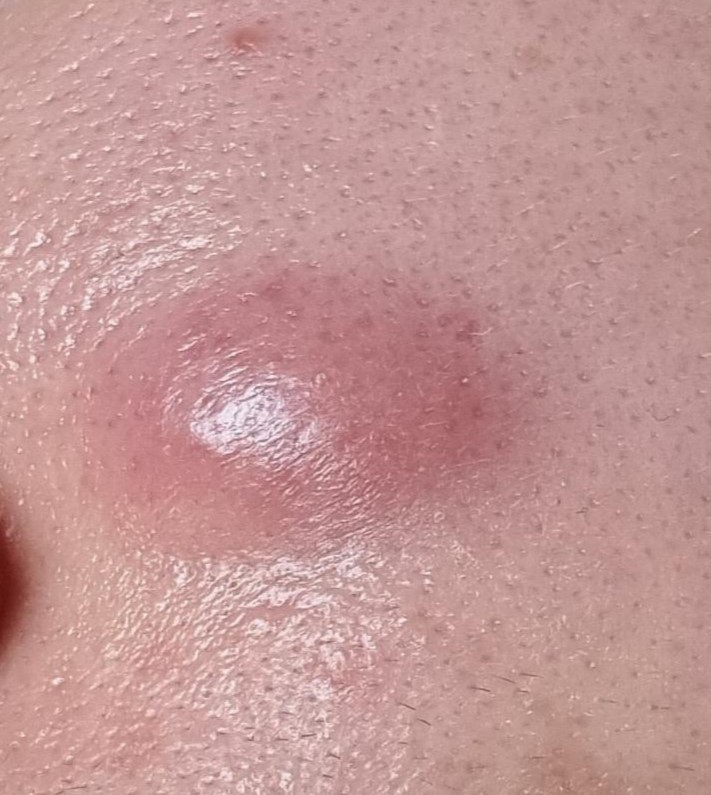
This is the most severe stage, deep and severe inflammation occurs which leads to the formation of large painful nodules and cysts. At this stage there is increased chances of permanent scarring.
If you are at this stage, please consult your dermatologist because this needs serious treatment.
You know, I have been to this stage. Yeah it is painful and it feels like something is hanging out of your skin and once I got a nodule at left cheek and it felt like my teeth has been extracted…haha!!
Factors That Increase the Risk of Acne
1. Hormonal Imbalance
Conditions like:
- PCOS
- Puberty/Adolescence
- Pregnancy
- Menstruation
can increase androgen levels, worsening acne.
2. Diet
Certain foods are associated with acne flare-ups like milk and dairy products, high sugar foods, high glycemic index foods like cakes, white rice, watermelon, croissants, etc. So, when you are having flare ups, try to avoid them.
3. Genetics
If acne runs in your family, you are more likely to develop it.
4. Stress
Stress increases androgen production and inflammation, these both aggravates acne.
5. Certain Medications
Drugs like:
- Steroids
- Lithium
- Anticonvulsants
- Isoniazid (anti-tubercular drug)
can increase acne risk.
Dos in Acne
✔ Follow a consistent skincare routine
✔ Be patient and gentle with your skin
✔ Consult a dermatologist if acne is severe or persistent
Don’ts in Acne
❌ Never ever pop a pimple
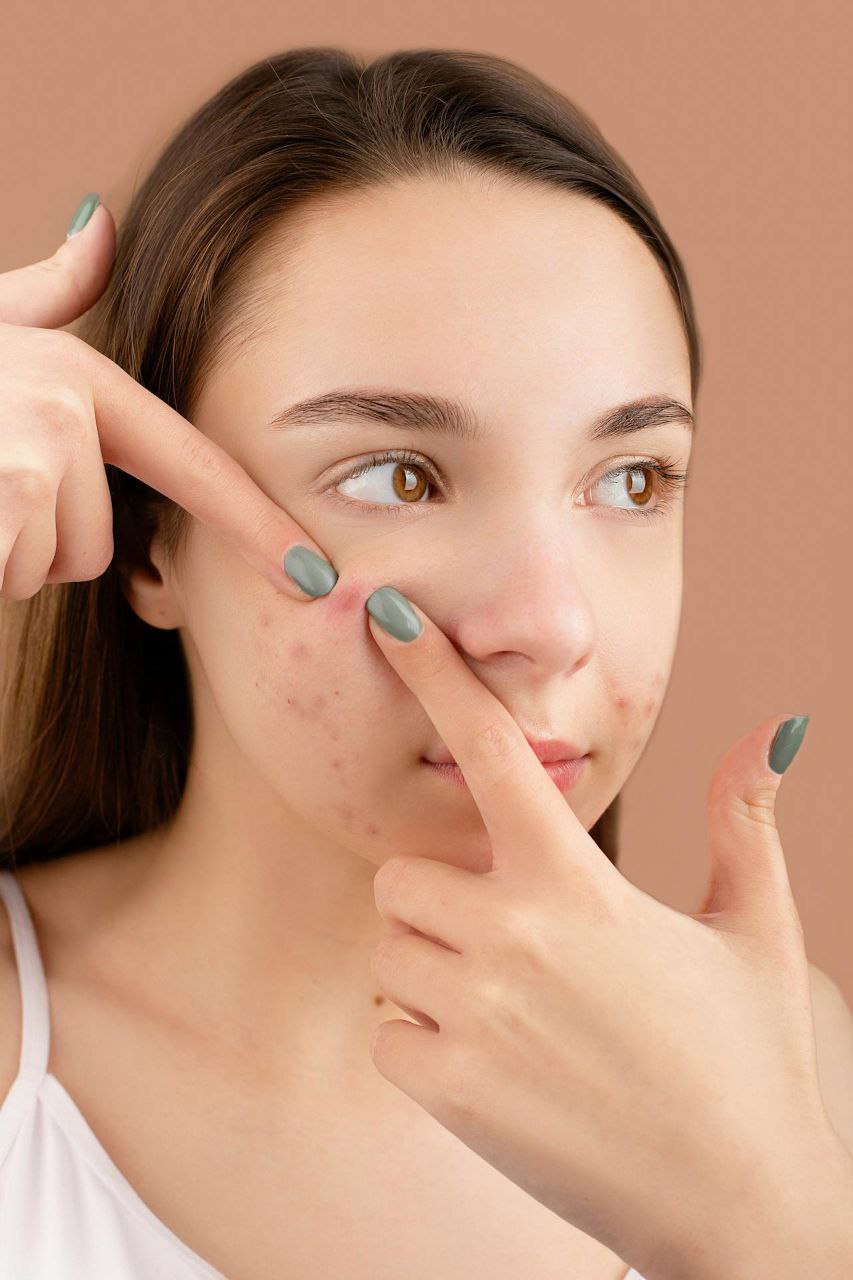
I say this from personal experience. I had a habit of popping pimples, which once caused severe inflammation — a small papule turned into a large nodule, and I had to take antibiotics. Worst experience ever.
Popping pimples damage the skin and causes the inner stuff which includes bacteria comes out which then causes infection at a different site. So, it increases pimples.
So please, control the urge.
Common Myths About Acne
There are many acne myths in our society that create confusion:
- Mango causes acne
- Oily food directly causes acne
- Facewash doesn’t help acne
- Dandruff falling on the face does not cause acne
- Drinking more water alone can cure acne
Conclusion
Understanding the science behind acne is the first step toward managing it effectively. Through my own 6–7 year journey with acne, I’ve learned that there is no overnight cure, but there is a reliable path to clearer skin: knowledge, patience, and consistency. Trust me consistency is the key because in the past I had never been consistent and didn’t follow any skincare routine and that did cost me a lot.
Instead of chasing myths or harsh treatments, focus on a simple, science-backed skincare routine tailored to your skin type. Choose products with proven ingredients, protect your skin barrier, and give treatments enough time to work. If acne becomes severe or starts leaving scars, seeking help from a dermatologist is always the right decision.

Pingback: Benzoyl Peroxide vs Salicylic Acid: 7 Must Know Differences for Clearer Skin - Bloom